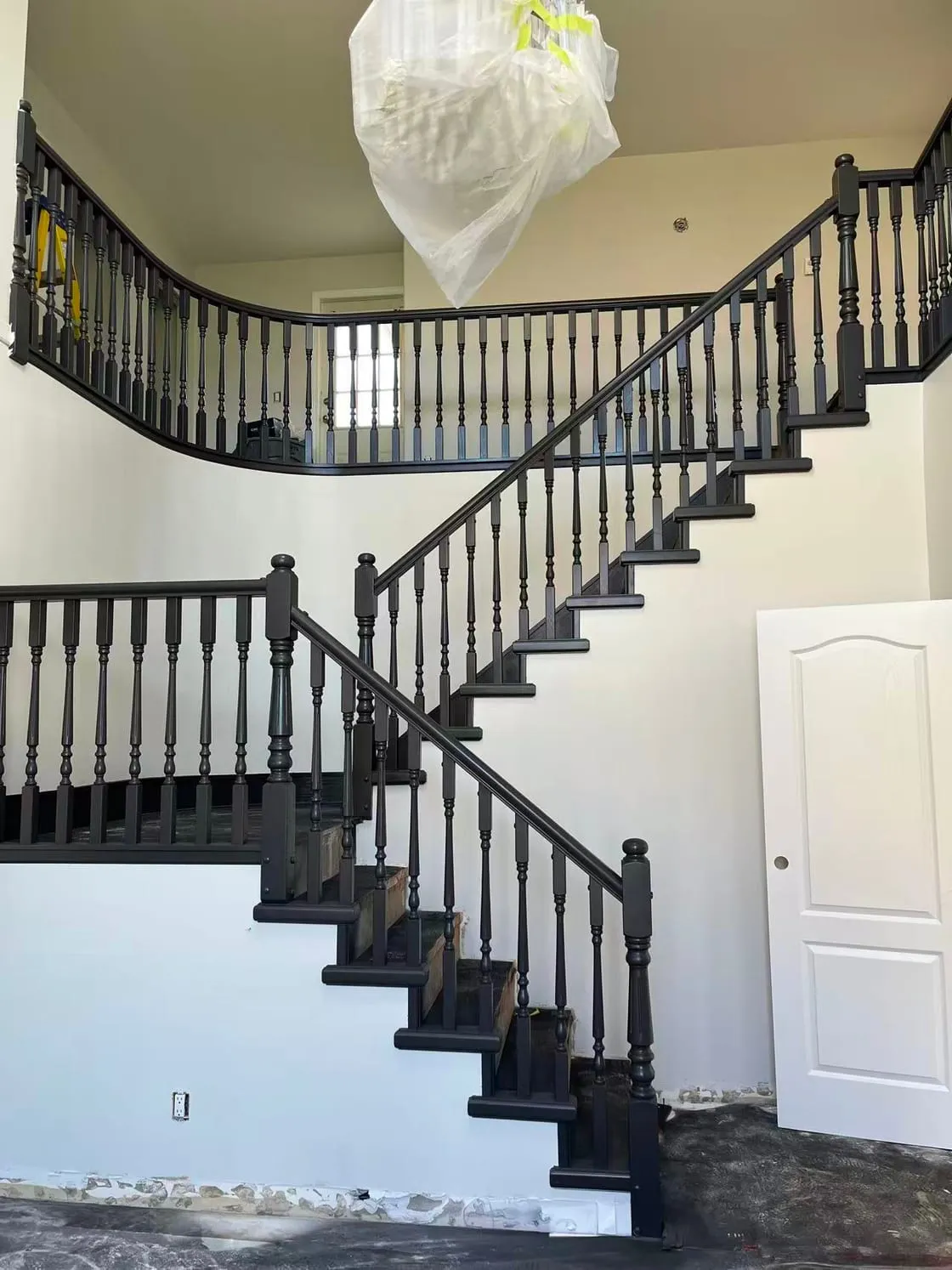
Residential interiors
Interior painting that considers the whole room.
Interior painting can change a room's sense of light, the relationship between walls and furniture, and the definition of ceilings and trim. Mayda starts a residential interior discussion with what you want to retain and the surfaces you want to change.
What we discuss and quote
Every surface, listed separately.
A proposal is easier to compare when each surface is named. These are the items we go through with you before the estimate.
- WallsColour, sheen and the condition of the existing coating
- CeilingsConfirmed separately, never assumed
- Doors and framesSheen and colour relative to the walls
- Baseboards and trimDefinition against the wall colour
- Repairs firstCracks, fixing holes, water marks, old wallpaper
- Underlying problemsA clear assessment and responsible party before restoration
Identify the surfaces in the project
List walls, ceilings, doors, frames, baseboards and other trim separately. Record cracks, fixing holes, water marks or old wallpaper and explain any existing repair history. An ongoing underlying problem needs a clear assessment and responsible party before surface restoration.
Consider colour and sheen in the room
View candidate colours alongside flooring, furniture and trim in daylight and evening light. The actual product, sheen and substrate affect the result. Photographs and colour names suggest a direction; suitable samples and a clear selection record support the final decision.
Include daily life in the plan
Explain which rooms must remain usable, who moves furniture and belongings, what protection and cleanup are included, and access for household members and pets. Start dates, work sequence and reuse requirements depend on the confirmed project.
Useful information for an enquiry
Provide room views, close-ups of concerns, retained-material photographs and references for the intended appearance. For a workplace, use the commercial interior page to include work zones, customer areas and site coordination.
Common questions
Are ceilings and trim automatically included? Confirm them separately in the proposal. Will a touch-up be invisible? Existing coatings, sheen and light affect local appearance, so discuss realistic expectations for the surface.
How Mayda does this
Low-environmental-impact products, mid-to-high grade. Interior work is done in paints where the quality is dependable rather than the cheapest on the shelf.
Zero-VOC wherever possible. No smell that will harm anyone.
That matters twice over. It matters for the crew, who are in the space all day, and it matters for a household still living there while the work goes on.
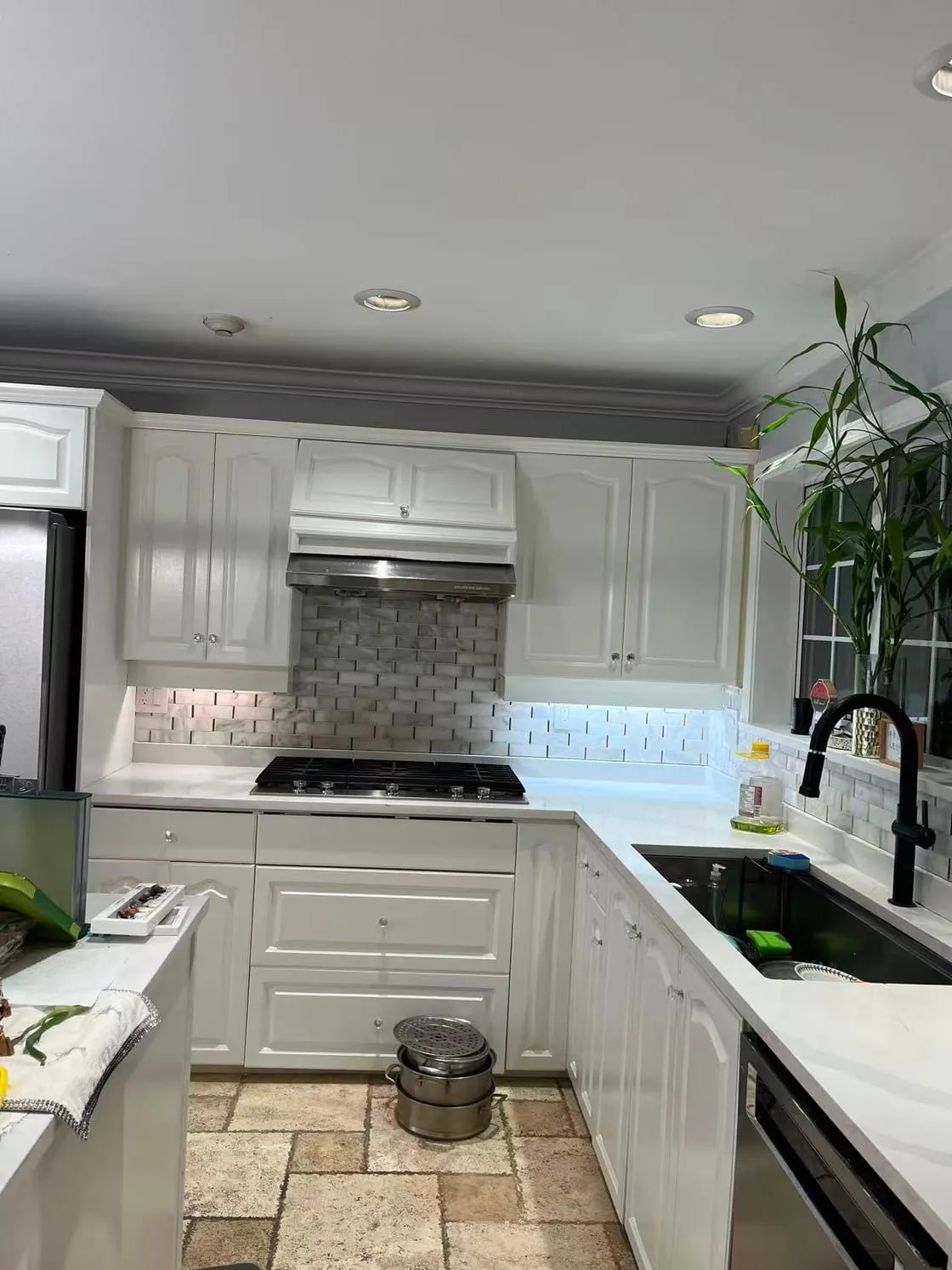
Kitchen cabinets: repainted, not replaced
A kitchen from thirty or forty years ago is usually solid wood, and solid wood of that quality is not sold at that price today. Painting it costs a fraction of a new kitchen, with no demolition, no waiting on an order and no reinstallation — which is why it is often the last thing done before a house goes on the market.
The sequence is fixed. Grease comes off the surfaces first, whether or not it shows. Doors come off. Primer goes on, then sanding. Two top coats finish it. Sprayed and brushed results are close enough that the site conditions decide the method rather than the other way round.
A painted cabinet is also easier to live with. It stands up to steam and cooking grease better than the original wood finish, which discolours where the range is; and a knock can be touched up in the same colour later, which is very hard to do once a wood finish has worn through.
Handles can be changed, but say so early: new hardware means drilling to the new centres and filling the old holes. Most kitchens keep what they have.
Keep exploring