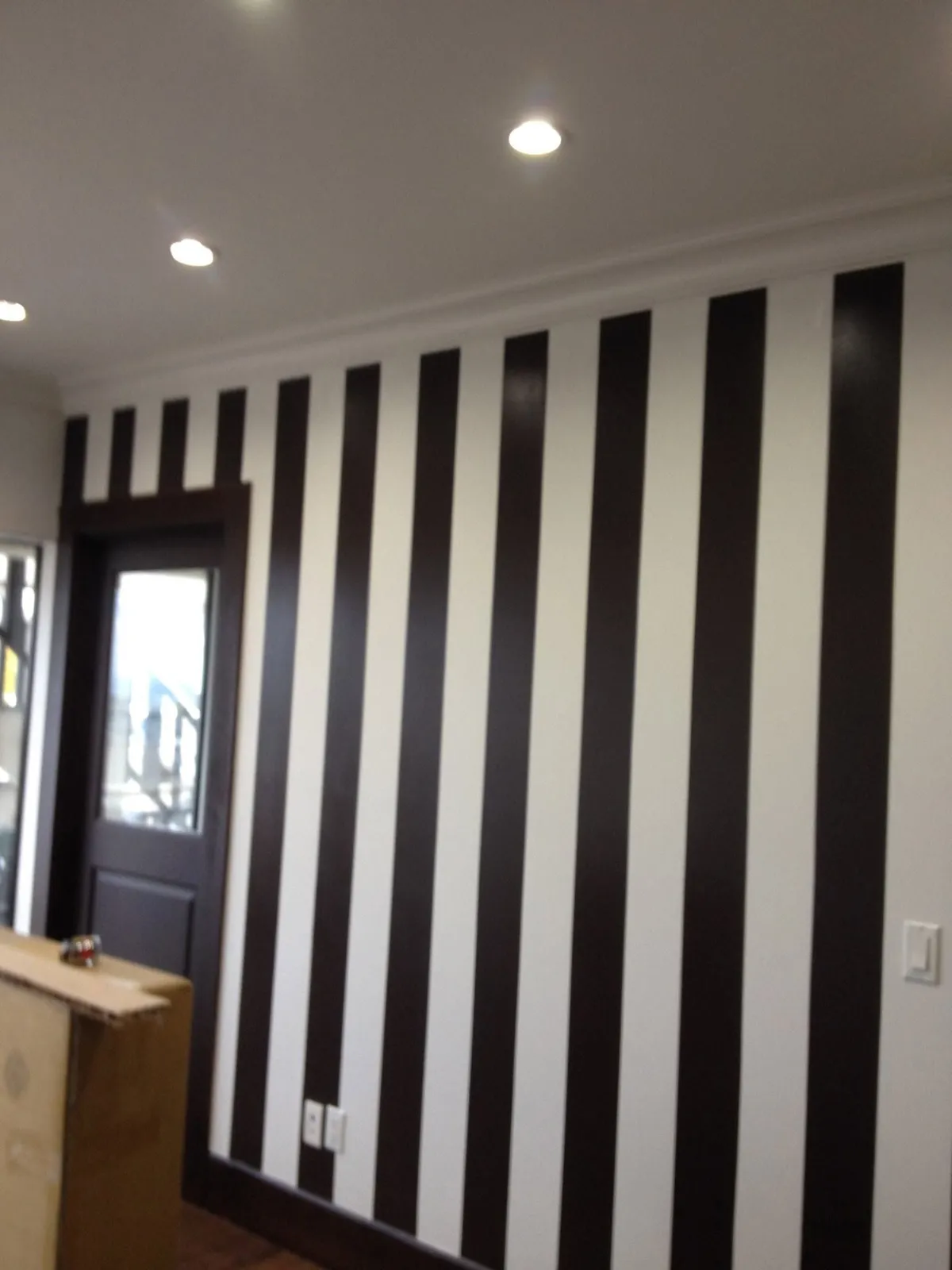
Commercial exteriors
Commercial exterior painting with the site in view.
A commercial exterior refresh affects the frontage customers see as well as people, vehicles and neighbouring facilities. Mayda begins with the elevations and the condition of the actual surfaces.
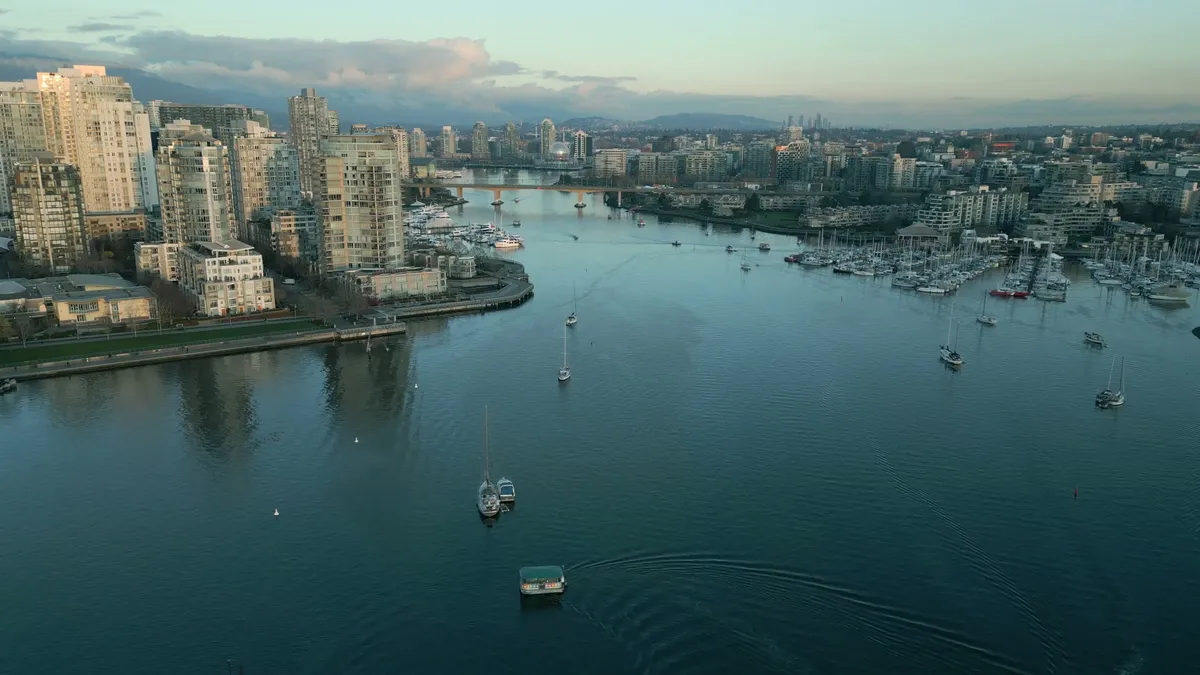
Scope by elevation
Frontage, entrances and everything around them.
Exterior commercial work is planned around the people and vehicles that keep using the building. These are the items we confirm before the estimate.
- Elevations and heightsWhich faces, how high, and the access equipment needed
- Entrances and routesCustomer, staff and delivery access that stays open
- Signage, glazing, fixturesWhat is protected, removed or left to others
- Substrate and coatingsStucco, panel, block or metal, and previous coatings
- Neighbours and siteParking, sidewalks, strata or landlord requirements
- Weather windowTemperature, rain and drying confirmed per product
Working around your hours
Three things we confirm before any date.
Zoning, particular hours and documentation are confirmed for each project. Uninterrupted operations should not be assumed.
Areas that stay in use
Which rooms, routes and customer areas must remain usable while work is under way.
Times work cannot happen
Opening hours, deliveries, meetings or quiet periods that rule out certain slots.
Site contact and documents
Who coordinates access on site, and any property, tender or insurance paperwork to check early.
Distinguish work areas from retained elements
List elevations, trim, entrances and other agreed components. Confirm whether signage, glazing, equipment, services and neighbouring structures are included or require protection. A photograph of the whole building does not mean every component belongs to the painting scope.
Assess preparation from existing conditions
Provide views of old coatings, contamination, peeling and repairs. Different materials and problems call for different assessments. Define cleaning, repairs, surface treatment and application separately; identify responsibility for persistent moisture or structural issues first.
Explain site coordination before pricing
Describe customer entrances, loading, parking and essential routes, along with permitted hours and property requirements. Work at height, specialist equipment or documentation requirements need an early check of the actual conditions and workable arrangements.
Keep the appearance connected to the building
Walls, trim, signage and retained materials form the frontage together. Use the available specifications and physical samples to discuss the direction, then consider product and weather requirements in planning the work.
Commercial work Mayda has done
Height is an equipment question, not a willingness question. On commercial properties in Burnaby the upper storeys were painted from a boom lift. Anything above ladder height needs the access arranged before the coating is discussed, because it sets both the schedule and what can be reached in a day.
Washing comes first, and it doubles as the inspection. Pressure washing takes off dirt and the weathered surface layer, and it is the first honest look at what is underneath — sound coating, failing coating, or substrate that needs work before anything is applied.
Coating is graded by exposure. Walls take a mid-to-high grade product chosen for UV and sun resistance with some water resistance; trim, fascia and frames — the parts fully exposed to sun and rain — take the best available. Using top-grade paint everywhere raises the price considerably and adds little where the rain barely reaches.
Steel and plant equipment is a different job. At a food plant in Delta, the exterior flour silos were ground back to bare metal, primed with an oil-based rust inhibitor and top-coated by roller.
Prepare the next conversation
Share the city, building type, elevation photographs, close-ups and timing restrictions. These support an assessment discussion. Scope, price, schedule and coordination depend on the confirmed project.
Prepare your enquiry
Six details that make the first call useful.
You do not need drawings or measurements to start. These six points let us ask the right questions back.
Discuss a commercial project- 01City and premises type
- 02Occupied or cleared during work
- 03Main surfaces and areas
- 04Photographs of the space
- 05Site contact
- 06Timing or documentation needs
Keep exploring